Phil Wood Rear Hub 48 Hole

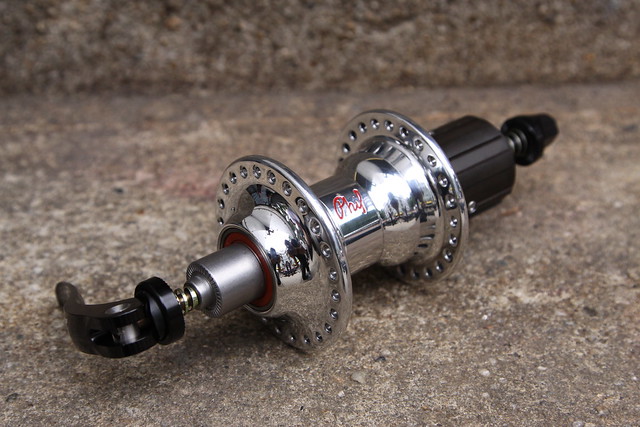
I could not find a stock photo of the rear hub I’m running so I took a photo of  my own.

This is a Phil Wood rear hub. Shimano 10 speed compatible, spaced to 130mm, and drilled for a 48 hole rim.

Phil Wood is about as good as it gets.

My first set of wheels on my touring bike were 36 spoke. I got about 700 miles and my rear wheel basically feel apart. Money and time fixed it and it was not the worst thing that could have happened, but still.  I finished that tour on the rebuilt wheel with no more problems. And even did another, shorter tour without error.

Later, when I was shedding rusty parts and doing a rebuild of the whole bike I decided to ditch the old 7 speed rear hub for 10 speed. I did not want to tour on 36 spoke wheels again. I could have up it to a 40 spoke but what’s that?

I think some people have thought, Why would you want so many spokes? I equate 48 spoke wheels with two things, tandem bikes and pol0 bikes. On tandem bikes they make sense because the bike weighs twice what a normal bike weighs and has the weight of two riders on just 2 wheels. With bike pol0 there are times when the ball, the mallets or other bikes get all smashed up in wheels and those wheels take serious damage but must keep working to finish the game. You could rip 3 or 4 spokes out of a 48 spoke wheel and the chances are you could still ride it.

So with one and a half times the spoke count per/wheel as compared to a normal 32 spoke wheel means I can double the weight carried and take damage but not be stopped on the side of the road looking at a useless wheel.

Is it heavier? Just the weight of 12 extra spokes per wheel, not much.

Ordered from Phil Wood in 2009. And in that same year, on a supported group tour, I put over 4000 miles on it without fault.

Made in USA
philwood.com


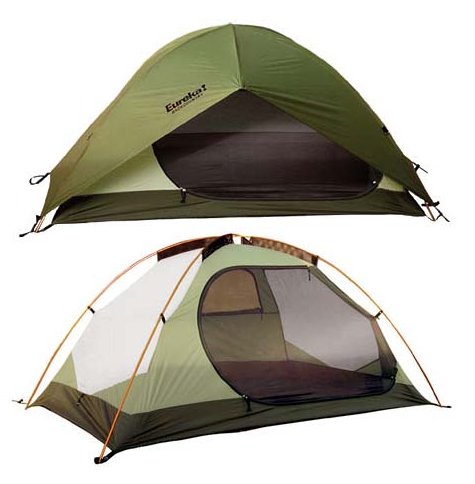
Eureka Backcountry 2

I bought this same tent twice. I used it so much on my first two tours that when I was gearing up for my third and could not find it I just bought another. Sort of wasteful to not keep track of my gear, but between tour 2 and 3 I’d lived in a few different states and lived a few years of life. I was on a schedule and needed a tent. I was surprised to see that after a handful of years that design was still basically the same. The same as I remembered it.

Years ago when searching for the right tent, I had not yet grown to believe so strongly in buying US made. Although it is not east to know where this is made if looking for that info online, I can say the the label inside the tent reads “Made in Korea finished in China”.

What I wanted then was just three things. Free-standing, green, and not too big or heavy. By big I mean the pack size. Some tents are over 20″ wide packed, that would limit the carrying positions available on a bike. This one is just 15″ wide by 6″ round so carrying it sideways on the rear rack is no problem. And it’s weight is fair, about 5 lbs.

I was on the fence about 1 person or 2 person. I’m glad I went with the 2 person. Many reasons why but the best are I’m tall and like the space, my panniers fit inside, and I won’t obviously be a solo camper. I guess that last one is defeated by having just one bike.

Free-standing, so I can set it up anywhere, quickly. Green, so I feel less obvious than I would in a bright yellow tent. It’s seen it’s share of rain storms and I don’t remember getting mad at my tent during which. I also remember one night in KS as I was sleeping I was woken up by the wind violently shaking my tent to shit, a lot like that scene in Blair Witch Project. In the morning I checked it out and there was no damage.

Ordered from Campmor

Cost: $160

“Made in Korea finished in China”


OP/TECH USA Super Classic Strap-Bino 3/8″

After using stock camera straps for a few years I, for some reason, decided to look for something more comfortable. Hmm. Maybe because the factory strap most cameras come with are really just logo holders. It’s not important to me that my camera strap is an advertisement, the opposite really. Give me simple black. But that’s not the main reason for this purchase. Comfort is. I might have my camera hanging from my neck all day. After getting this I’ve told some other new photographers about it. But it’s one of those things you gotta just try for yourself.

Tailored 2.0″ wide neoprene strap that uses a “Comfort-Stretch” binding with an internal “Control-Stretch” system for added support. There is a non-skid surface that won’t slip on shoulder.

Most new camera straps have quick-release clips on them, this is the Bino version and it’s the one w/o little plastic clips that hold the whole thing together. Makes no sense to me why anyone would want that. It only take about 10 seconds to remove the strap if I want it off the camera.

Bought from B&H store in Manhattan.

Cost: $20

Made in USA

optechusa.com


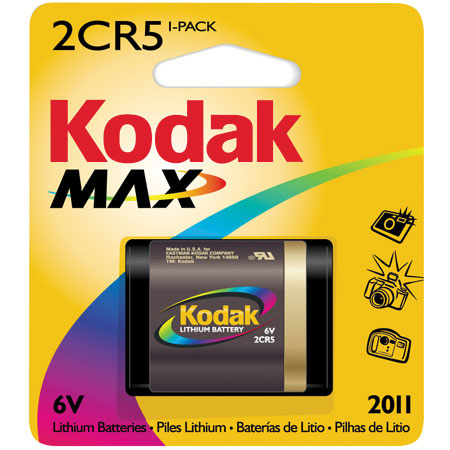
Kodak 2CR5 Battery

Well, not all batteries are the same, some are made in USA and some are not. Buy two, the last thing I need is to miss a shot because I didn’t have a spare. An extra is small and light and I could be miles from the next camera shop when I need it most.

Bought at local camera shop.

Cost: $7

Made in USA

Kodak.com


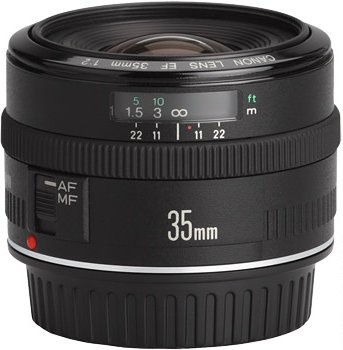
Canon EF 35mm f/2 Lens

This is not an expensive lens. It’s been in production for over 20 years. You can still buy one new but I’m sure they are all just old stock by now. It was introduced in 1990. It’s AF is noisy because of non-USM auto-focus drive motor but that don’t mean it can’t take a pretty picture.

7 oz. and smaller than 2″x3″

I bought this from the B&H store in Manhattan in 2007

Made in Japan

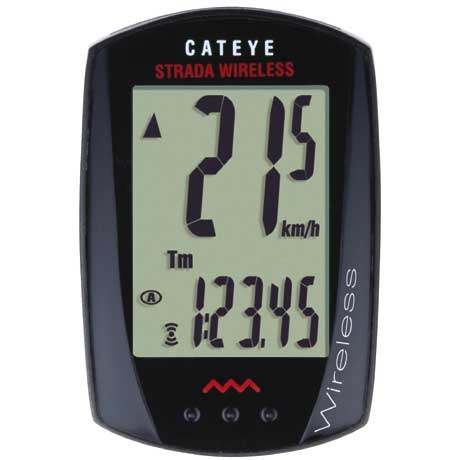
Cateye Strada Wireless

On my first and second solo tours I did have a computer on my bike. Later I did a supported group tour on a bike sent out by a sponsor and I didn’t add a computer to it until more than half the trip was ridden. I bought a cheap one on sale just to read the cue sheets better with some on-the-ground distance info from the cycle computer. It helped a little. But it had a wire and a big dumb button on the side that would get held down if I was not careful how I leaned the bike. Holding that button would clear all the info.

I remember a few people in the group had this model and spoke good of it. So wanting something better I ordered one from QBP for a little more that that dumb one I had cost.

Simple. One button. Wireless.

I did notice one thing about the wireless feature. Sometimes while riding, I might walk. I might walk a few blocks or a mile or more. If I have a computer I got into the habit of pushing the computer up from the stem mount. Just enough to break the sensor connection but not too much that it falls off. I guess my logic is that I only want to tabulate the distance ridden, keep my average speed up, and have an accurate ride time. Well with this one I can push the sensor halfway off the mount but that wont break the sensor. I have to put it in my back pocket if I don’t want to know that I walk 3 MPH.

Made in Japan

July 2009, supported group tour camping

West Texas somewhere

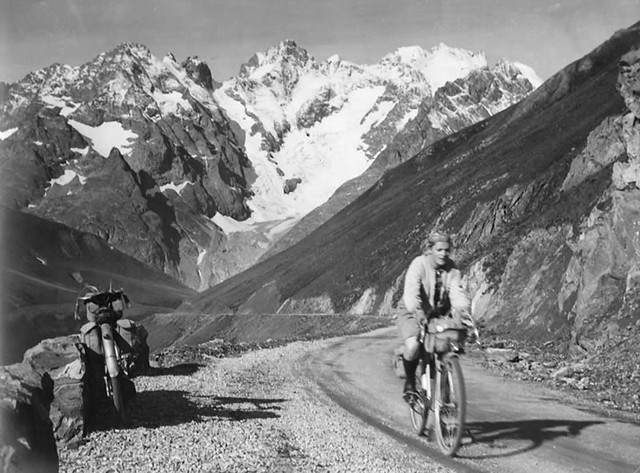
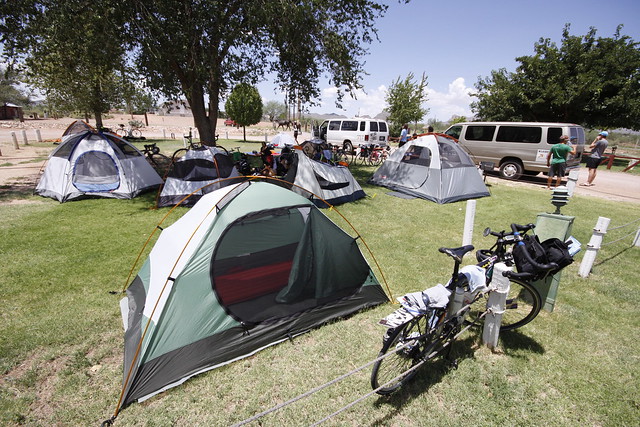
Here is a look at one day of my last tour. That’s my tent and old bike. Touring in an organized group was fun because I had my own space but I was with a group of people all doing the same thing. I did not have any say in our route or our riding schedule, but I didn’t have to pay for camp sites or hotel rooms either. I should say that this was less than your average supported group tour because we were hired as “endurance cyclist” and compensated to wear branded jerseys and participate in promotional events in certain markets. All for a vodka company owned by Bacardi.

We had hotel rooms on most nights, camping only sometimes. On the next trip I take it’ll be nearly all camping. And I’ll likely be riding solo. And I’ll rarely visit private campgrounds like this one. I prefer State Park camping or free camping in quiet places. It’s mostly because of the money. Why would I want to pay $10 – $20 just to set up a tent for a few hours? Now I look at this photo and I picture everything behind my bike and tent gone, the eight tents and two passenger vans replaced by trees and grass. That’s what my next tour will look like.

I really wish I could have the company of so many good people as I travel again, and having a big company foot the bill in exchange for wearing a free jersey is a dream come true. But that’s not gonna happen again. Much more likely is saving some money, collecting the gear and finding the time to just go.


iPhone (no phone plan)

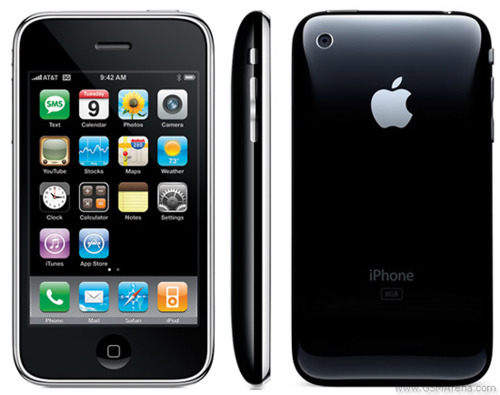
An old iPhone 3G that has no service. I’d use it like an iPod Touch. No phone, no data plan, no bill.

I can check email, weather, maps, and twitter and such. What more would I need?

The thought of bringing this has been on the seesaw more than anything else. Not for the decision to have a phone(that makes phone calls) or not. I know I do not want a phone while on tour. But rather the decision of having the internet in my pocket at all. I don’t really want to have the internet with me if I’m touring. But I likely will(meaning i think i will bring this). Although internet would only be in places that offer it, coffee shops, spots like that.

I figure I can post here and on twitter and email friends. I’d use the calculator in grocery stores to get the best deals.

It has an alarm and I’ll put some of my favorite Lil’ Wayne songs on there too.

Worth the weight? We’ll see.

I don’t think it would last through a long trip.

I bought this used from a friend who upgraded. I did use it as my phone for about 6 months but I got sick of giving AT&T money.

Cost: $80 used

Weight: 4.8oz (138g) w/o charger

Made in China


De Soto Arm Cooler Sleeves

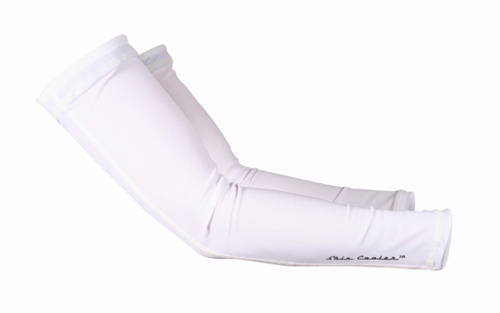
These are a carry over from my last ride. When riding in southern Texas in July, some of the group I was with decided to buy some of these and the leg coolers too. I just bought the arm coolers and I’m really glad I did. There is no shade in Texas. Anyway, these fit good and do keep my arms cool on blazing, sunny, hot days. If I’m not wearing them they take up almost no space and weigh very little.

Cost: $35 (I can’t remember very well)

Made in USA

desotosport.com


Park Tool Co. FR-5

Park FR-5 Cassette Lock Ring tool

I once did a supported 4000 mile ride from NY to LA on a brand new bike. That was nice.  Beside a flat or two the only mechanical problem I had was the cassette lock ring backed off of the 10 speed cassette. I realized this when I shifted and the chain dropped down completely between two of the cogs. This was just a small problem because nothing was lost. I just took off the wheel, took the loose cogs off and cleaned them with a rag since I had the chance. Then I lined them up in place and spun the lock ring on. This tool was not in my kit at that time but I did have a flat head screwdriver. I used that to get the lock ring tight enough to get back on the road for a few miles. After reaching the SAG, I used this tool to tighten it back to spec.

Now I have one of my own.

I want to weld a 15mm nut to the back side so I don’t have to carry a one-inch socket to turn this thing.

Made in USA

parktool.com